Exterior rendering
Compare Render Samples on the Building | Nottingham
A small colour card cannot show every aspect of a rendered elevation. Texture, daylight, nearby brickwork and the size of the finished area all affect what you see. A useful sample exercise answers a defined question and records the product being approved. It should reduce uncertainty before ordering, rather than become a collection of attractive patches that nobody can relate to the final specification.

On this page
Decide what you are comparing
Separate colour, texture and system choice. If you compare a scraped mineral sample in one colour with a fine-grain coating in another, it can be difficult to identify which difference is driving your preference. Narrow the system options with the relevant technical assessment first, then use comparable samples to judge the visual choices that remain.
A silicone rendering sample and a monocouche rendering sample can illustrate genuinely different surface characters. Neither establishes suitability for the wall on appearance alone. Keep the proposed background and preparation with the sample information so a visual preference does not accidentally substitute a different technical system into the quotation.
Identify every sample clearly
Label each sample with the manufacturer, product, colour reference and intended texture. Include the date and any relevant preparation information. If the samples are loose boards, keep the labels attached and photograph them beside the building. If they are applied trial areas, record their exact locations and what will happen to them after the decision.
Do not approve a sample using only a nickname such as the pale grey or the smooth one. Similar colours can be offered by different manufacturers, and a product change can alter more than the shade. The approval should be clear enough that a person who did not attend the sample review can identify exactly what was selected.
Compare against retained materials
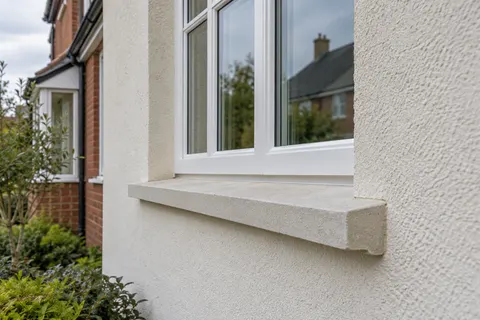
Place the sample beside the actual brickwork, frame, roof tile or other element that will remain visible. A colour can appear different against a warm brick than against white plastic or dark metal. Look at the relationship rather than judging the sample in isolation on a table or in the back of a vehicle.
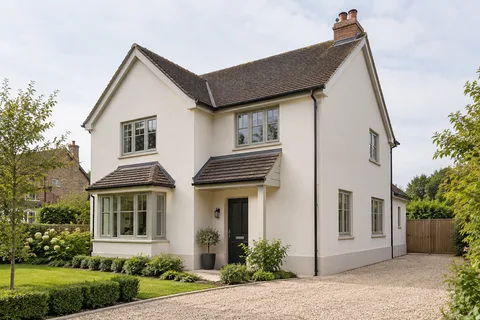
Where several elevations meet different retained materials, examine more than one location. A front wall beside decorative brick may create a different combination from a rear extension beside glazing. Decide whether one finish should coordinate the whole scheme or whether a deliberate contrast belongs in the design. Record that intention before extending the sample decision to every face.

Use ordinary viewing positions
Inspect the sample close up to understand the grain, then step back to the places from which the wall will normally be seen. A texture that looks pronounced in your hand can read more quietly from the pavement. Conversely, an uneven area may become more apparent when light runs across the surface. Both views are relevant, but they answer different questions.
For upper elevations, discuss whether the sample location represents the eventual viewing conditions adequately. Nobody needs to climb to an unsafe position to judge a colour. A suitable sample arrangement should support a practical decision at accessible locations, with the installer explaining any limits to what it demonstrates.
| Check | Record |
|---|---|
| Product identity | Manufacturer, finish and colour code |
| Background | How the sample was prepared |
| Light | Shaded and brighter viewing conditions |
| Neighbours | Retained brick, frames and roof material |
| Distance | Close detail and normal whole-wall view |
| Approval | Chosen sample and any excluded areas |
Return in different daylight
If practical, view the options at different times of day and under different sky conditions. The aim is not to find one perfect photographic moment. It is to understand how the finish sits on the building during ordinary use. A shaded side wall and a bright front elevation may make the same colour feel different without either sample being wrong.
Photographs help preserve the comparison, but they should not be the sole basis for approval. Camera settings and screens alter colour and contrast. Keep the physical reference or a clearly documented trial area where appropriate. If the owner cannot attend in person, make the limits of a remote colour decision explicit rather than treating a phone photograph as an exact representation.
Check junctions where appearance is sensitive
A sample panel can also help discuss a repair boundary or a change between old and new material. Specify whether the purpose is to assess texture, colour or the proposed edge detail. A successful colour sample does not automatically prove that a patch will be invisible when it meets weathered render on a larger face.
For lime rendering, the accepted appearance may include a softer or less mechanically uniform character than a modern finish. Review that expectation with someone familiar with the materials. Where a coating over existing render is proposed, the render colour change guide explains why the retained texture remains relevant to what the new colour will look like.
Make the approval a short, clear instruction
Record the chosen sample and the areas to which it applies. Include the date, the person making the decision and any qualification, such as a different treatment on a retained porch. Send the same record to the people ordering and applying the finish. This prevents an early preference from being mistaken for the final instruction or a later conversation from being lost.
If the proposed material changes, revisit the approval rather than assuming a similar colour name is an acceptable substitute. The contractor should explain why a change is needed and what it affects. Keep the original and revised records together so the final specification has a traceable history.
Distinguish a display sample from a site trial
A loose display board can help compare colour and grain. A trial on an agreed part of the actual wall can answer additional questions about preparation, texture and the relationship with retained work. They are not interchangeable pieces of evidence. Ask what the proposed sample is intended to demonstrate before treating it as approval of the entire system.
For example, a board may look convincing beside old brick while telling you nothing about whether the existing paint can remain. That background question still needs assessment. Conversely, a technical trial intended to examine preparation may not have been finished to the appearance expected from the completed elevation.
Label the purpose, product and location of each sample. Keep the approved appearance reference separate from trials used only for investigation. This prevents a later dispute in which one party refers to a colour board and another refers to an unfinished test patch, both believing that theirs was the accepted standard for the final wall.
Use the sample at completion
Compare the finished work with the agreed reference at the appropriate stage and from normal viewing positions. Discuss specific differences in texture, colour or extent, identifying the affected location. The sample is a common reference for that discussion, not a guarantee that every lighting condition will make a large wall look identical to a small panel.
Retain the references for maintenance and future work. They will not remove every matching difficulty after weathering, but they are far more useful than trying to remember a colour from a photograph. The Nottingham rendering pages explain the different finish families if you are still narrowing the options before arranging samples.
Common questions
How large should a sample be?
Its size and preparation should suit the question being answered and the proposed system. Agree that with the installer rather than assuming every small colour card represents a finished elevation.
Can I approve a colour online?
You can narrow preferences online, but physical samples on the building provide a more reliable basis for the final choice.
Does one approved sample cover every wall?
Only if the approval says so. Record any different colours, textures or retained areas separately.
Should I keep the sample after completion?
Where practical, retain it or its full references and photographs. Product, colour and texture information is useful for future maintenance even when exact matching cannot be promised.
See housing and planning information for Nottingham and nearby places, including the source and geography behind each figure.